






Inquiry Basket
 Loading ......
Powerful Immunohistochemical Antibody Technologies - Effective Tools for High-Performance Diagnostics and Research!
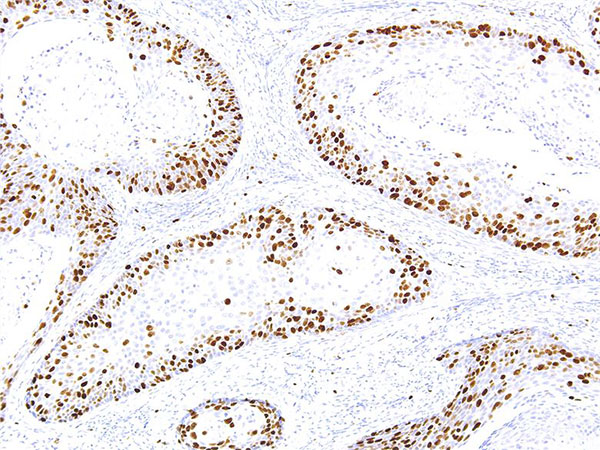
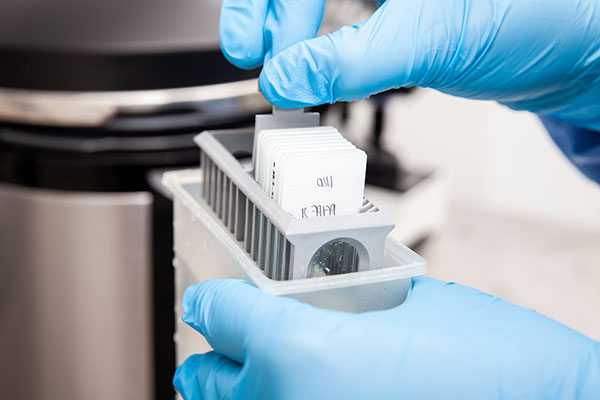
IHC is a technique in the lab that uses antibodies' speciality to search for and visualize antigens in tissue sections. It's an essential technique to see how proteins get accumulated and distributed in histological tissue and how they serve their functions in the cell or cause disease.
IHC has been a part of research and clinical practice, including oncology, pathology and immunology. In oncology, for example, IHC can identify tumor markers to diagnose and classify cancers. Those proteins that regulate the behavior of tumours can be measured by clinicians to help predict the outcome and tailor treatment.
In pathology, IHC helps pathologists diagnose disease by helping them distinguish between normal and pathological tissue structures. The technology can visualize cell components, allowing diagnosis of autoimmune disease or infection via the presence of particular antigens.
Moreover, IHC is essential for evaluating patient outcomes. Expression of biomarkers can then tell doctors about the potential benefit of therapy in the patient and clinicians can use that knowledge to select the right treatment. It's essential for treatment decisions and the best possible therapy to use such data.

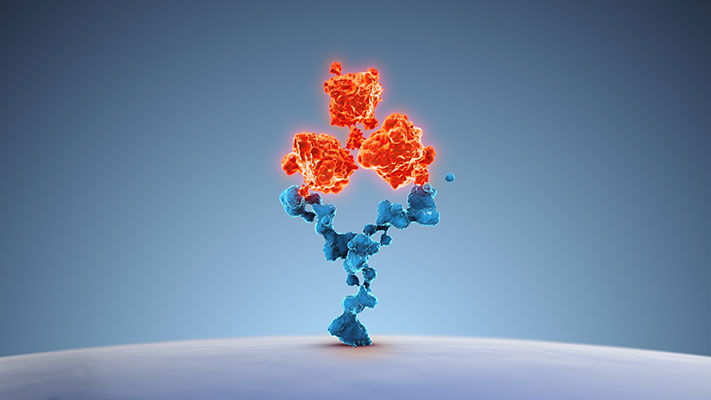
Antibodies are the cornerstone of IHC. They are engineered to selectively bind to specific target antigens, which are usually proteins found in tissue samples. So you need to choose the right antibody when you are doing IHC.
We can offer monoclonal or polyclonal antibodies for IHC with different benefits. Monoclonal antibodies are very, very hypersensitive and they recognize one epitope in an antigen and this is the kind of hyper-sensitivity that we're hoping to get for really precise detection of very specific proteins. Polyclonal antibodies, in contrast, can bind to more than one epitope on the same or different protein – ideal for proteins that can shape and conformational change with time.
Success in IHC hinges completely on the purity and specificity of the antibodies. Quality of the antibodies ensures that the ligation on the target antigens is specific and secure, also influences the reproducibility of the staining result. If antibodies don't match, false negatives and blindness to tissue samples are possible. So it is important that one is critical in selecting and confirming antibodies so that one gets accurate and useful results from IHC.
Creative Diagnostics offers a number of high quality pathology recombinant monoclonal antibodies including Her2, PD-1, Ki-67, Tim3, CTLA4, Lp-PLA2, Muc2, Cytokeratin 18, BRAF V600E, IDH1 R132H, MLH1, MSH2, MSH6, and PMS2.
View and select all our IHC/Pathology Antibodies!
Creative Diagnostics has been providing high quality IHC service to our customers for years. We have established well-tested procedure to meet your research demands, which include different combinations of various tissue fixation processes, antigen retrieval, antibody titration options and eliminate background staining. Also, we have unparalleled bioinformatics support in performing IHC studies.
The significance of selecting the right antibodies includes:
Better Specificity
Correct antibodies suppress unwanted binding significantly lowering background noise and signal-to-noise ratio. This is necessary for testing the validity of experimental data.
Greater Sensitivity
High quality antibodies will also show low-level expression of target proteins which is important for tumor or diseased tissues that lack protein.
Improved Reproducibility
Using well-validated antibodies enhances the reproducibility of experiments, minimizing variability between different assays.
Challenges we faced:
Too Many Options
There are millions of antibodies in the market and you're left to wonder which one to take. It's not a wise decision to do lots of research and evaluation on candidates.
Insufficient Validation
Many antibodies lack thorough validation and may perform poorly under different experimental conditions. For instance, an antibody might work well on overexpressed target proteins but fail to bind effectively in samples with low natural expression.
Cross-Reactivity Problems
There are antibodies that can cross-react with other proteins that share their structure causing false positives. This is especially bad when it comes to proteins from family members or with common epitopes.
| Monoclonal Antibodies | Polyclonal Antibodies | |
|---|---|---|
| Advantages | High Specificity | Higher Sensitivity |
| Reproducibility | Broad Epitope Recognition | |
| Less Background Noise | ||
| Disadvantages | Limited Epitope Recognition | Heterogeneity |
| Potential for Cross-Reactivity | Increased Risk of Non-Specific Binding |
Monoclonal Antibodies
Have high specificity due to their singular focus on one epitope. However, their sensitivity can vary depending on how well the target epitope is preserved during sample preparation. In some cases, they may show lower sensitivity compared to polyclonal antibodies when detecting low-abundance targets.
Polyclonal Antibodies
Generally offering greater sensitivity due to their ability to bind multiple epitopes, can suffer from reduced specificity. This broad recognition increases the risk of cross-reactivity with similar proteins within the sample, potentially leading to false positives.
For different diseases:
| Disease | Targets |
|---|---|
| Adenocarcinomas | ALK, ANO1, ANXA1, CA 19-9, EPCAM, IMP3, Lewis y, MUC1, MUC4, NAPSA, SDC1, SOX2, TAG-72 |
| Breast carcinoma | BCA225, BRCA1, CA9, CD274, CD44, COL4A1, ERCC1, GATA3, Histone H3, KRT20, MET, NGFR, PIP, SALL4 |
| Gastrointestinal tumor | CD34, CDH1, CDX2, CEA, FLT1, GSTP1, MUC6, SATB2 |
| Lung carcinoma | ALK, BRAF, CD24, EZH2, IGF1R, IMP3, SALL4, SOX2 |
| Melanoma | ANPEP, CD274, CD63, CNN1, HMB-45, MLANA, MUM1 |
| Prostate carcinoma | AMACR, APC3, AR, ERG, KLK3, NKX3-1, PSA, SRRM4 |
| Thyroid neoplasm | BRAF, CALCA, CEA, HBME-1, LGALS3, PTH, TG, TPO |
| Other malignant tumor | ACTH, CD207, CSH1, EGFR, EMA, EPCAM, LH, Mdm2, PECAM1, RRM1, SDC1, SYP, TLE1, TOP2A |
IHC is widely employed in various applications, including:
Cancer Prognosis
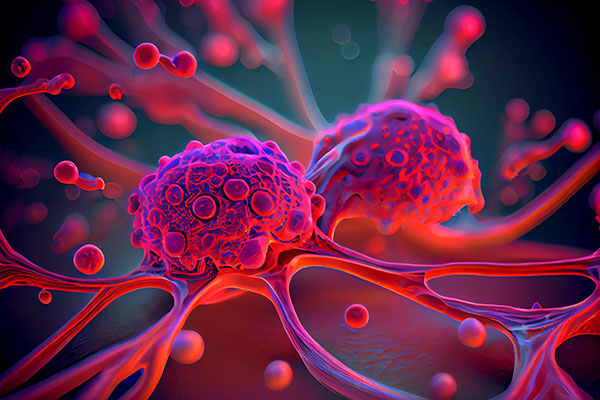
IHC can find the cancer marker, and that is a symptom of cancer. It helps pathologists to categorise tumors and tell if they are malignant or benign.
Prognostic Studies
It can measure biomarkers for patients' prognosis that may be used by clinicians to choose the appropriate therapy.

Research Uses
In research, IHC reveals the sequence of protein expression in every biological function, from development to disease to treatment.
Infectious Disease Detection
We can also use IHC to find pathogens in tissues for quick confirmation of infection.

The IHC process involves several key steps:

Consider these aspects while deciding between monoclonal and polyclonal antibodies for IHC:
1.Target Protein Characteristics:
Polyclonal antibodies are also better if the protein is known to contain multiple epitopes or if the shape of the protein can shift during fixation (for example, because of denaturation).
For proteins that have been well defined and the localization is of particular importance, monoclonal antibodies are most often selected because of their specificity.
2.Experimental Goals:
For quantitative studies or when consistent results across experiments are required, monoclonal antibodies are generally the better choice.
If sensitivity is paramount (e.g., detecting low-expressing proteins), polyclonal antibodies might provide an advantage.
3.Tissue Type and Preparation:
Consider how the tissue will be fixed and processed. For tissues that may mask epitopes through fixation, polyclonal antibodies could offer greater flexibility.
4.Validation Data:
Always review validation data provided by Creative Diagnostics. Look for evidence of specificity in relevant tissue types to ensure reliable performance.
Optimize antibody concentration and incubation time:
High antibody concentrations or prolonged incubation times can increase background staining.
Use appropriate blocking agents:
Use serum from a species different from that of the primary antibody for blocking to reduce non-specific binding.
Low antigen expression levels:
Ensure that the target antigen is expressed at sufficient levels in the sample; literature can be consulted for confirmation.
Insufficient antigen retrieval:
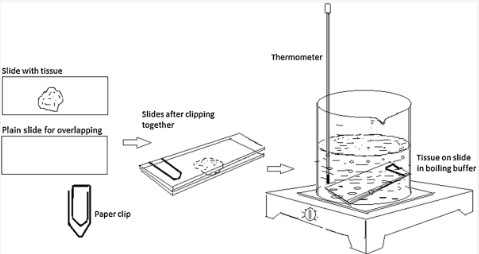
Formalin fixed tissues require good antigen retrieval to define epitopes.
Secondary antibody is first picked on primary antibody nature, and should not be from same species as primary antibody. Suppose that first antibody is rabbit, then second antibody should be rabbit-resistant.
Label selection:
Choose an appropriate label based on experimental needs, such as HRP or fluorophore.
Monitor staining time:
DAB staining should not be prolonged; typically, stop the reaction immediately after observing the desired color under a microscope.
Avoid DAB degradation:
DAB should be prepared fresh for use, avoiding long storage times to ensure its activity.
Increase baking temperature and time:
Ensure that the temperature and time during tissue baking are sufficient to enhance adhesion between sections and slides.
Use high-quality slides:
Using slides coated with poly-L-lysine can reduce detachment issues.
Creative Diagnostics is a "One stop" antibody solutions provider serving the pharmaceutical, biotech, diagnostic and university research organizations around the world.
Loading ......
