


Inquiry Basket
 Loading ......
Creative Diagnostics offers a comprehensive range of ICC antibodies to support researchers in achieving reliable and reproducible results. Our portfolio includes highly validated primary antibodies against key targets such as Ki-67, CD44, E-cadherin, and Cytokeratin, ensuring specificity and robust performance in immunocytochemistry applications. Additionally, we provide an extensive selection of secondary antibodies, including species-specific and conjugated options, to complement your experimental needs. Select the ideal antibodies based on your target antigen, host species, isotype, and desired detection method. Explore our solutions to enhance your ICC experiments with confidence.
Immunocytochemistry (ICC) is a widely applied experimental technique used to detect the expression and localization of target molecules within cells. By using specific antibodies to bind biochemical antigens, ICC allows a visual representation of molecular distribution within individual cells, thus complementing conventional biochemical methods. ICC is commonly employed to analyze cultured cell lines or freshly isolated cells and can also be applied to fixed tissue sections under similar principles as immunohistochemistry (IHC). The detection in ICC relies on antibodies conjugated to chromogenic reagents or fluorescent tags.
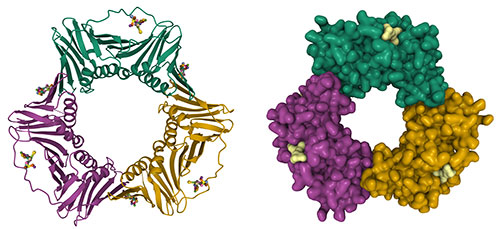
ICC antibodies refer to the antibodies used in ICC experiments, which are divided into two types.
 Primary Antibodies
 Secondary Antibodies
| Organelle and Structure Markers | α-Tubulin | β-Actin | Vimentin | |
| E-cadherin | Na+/K+ ATPase | |||
| Histone H3 | Lamin A/C | |||
| COX IV | Calreticulin | GM130 |
| Functional Protein Antibodies | Ki-67 | PCNA | ||
| Caspase-3 | Bax/Bcl-2 | |||
| Akt | ERK | NF-κB |
| Cell-Type Specific Markers | Cytokeratin | Fibronectin | ||
| CD44 | CD45 | |||
| NeuN | GFAP | Synaptophysin |
| By Host | Anti-Rabbit IgG | Anti-Mouse IgG | |
| Anti-Goat IgG | Anti-Chicken IgY |
| By Label | Alexa Fluor Series | FITC | |
| Cy3 | Cy5 | ||
| HRP | AP |
Find all Antibodies products >
Selecting appropriate ICC antibodies is critical. It could determine the reliability of experimental results.
01 If the antibody is suitable for ICC
It is critical to prioritize those validated for ICC use, as specified in the manufacturer's standards. Published literature can also provide references for antibody performance under specific conditions.
03 Select primary antibody host species based on experimental design
For multi-target colocalization, use primary antibodies from different species to avoid cross-reactivity. Use blocking reagents to prevent non-specific binding in immune-rich samples.

02 Evaluate antibody specificity
Antibody specificity can be validated through functional testing, target specificity confirmation, and the use of positive and negative control samples.
04 Choose monoclonal or polyclonal antibodies based on need
Having trouble choosing primary or second antibodies? Please feel free to contact us. Our scientists are pleased to recommend the right one for you!
Sample fixation and preparation
Antibody incubation and washing


Implement rigorous control experiments
Selection of detection methods
Data interpretation
Standardization and quality control
More ICC Experiment Protocol >
All of our ICC antibodies are validated through rigorous testing to ensure high performance in cell-based assays. We recommend reviewing the datasheet for application-specific information and any additional details, such as dilution recommendations and staining protocols. If you're unsure, our technical support team is available to help guide you through antibody selection.
Most of our ICC antibodies are optimized for fixed cells, but some can be used for live cell imaging depending on the specific target and experimental conditions. Please check the product datasheet or contact our technical support team for specific recommendations on live cell applications.
The optimal dilution depends on the specific antibody and the target protein. Our datasheets provide recommended dilution ranges based on validated conditions. However, for optimal results, we recommend performing a dilution series to determine the best working concentration for your specific sample type.
To ensure specific staining, we recommend using appropriate positive and negative controls, including isotype controls and secondary antibody controls. Additionally, proper sample preparation and fixation protocols are essential for maintaining protein integrity and epitope accessibility. We also suggest using blocking agents to minimize non-specific binding.
Yes, many of our ICC antibodies are suitable for high-throughput screening when used with automated imaging platforms. For large-scale screenings, we recommend contacting our technical support to discuss any specific requirements or adjustments to protocols.
Our ICC antibodies are stable for at least one year when stored according to the instructions on the product datasheet (usually at -20°C). For optimal performance, avoid repeated freeze-thaw cycles. If you're unsure about the storage conditions or expiration date, please refer to the datasheet or contact our customer support team.
Our ICC antibodies are compatible with a variety of detection systems, including fluorescence, enzyme-based colorimetric detection, and chemiluminescence. When selecting a detection system, make sure it is compatible with the conjugate used (e.g., fluorophore or enzyme). If you have any questions about detection methods, feel free to reach out to our technical support team for advice.
Yes, we offer a wide range of antibody conjugates for ICC, including fluorophore-conjugated antibodies for fluorescence microscopy and enzyme-conjugated antibodies for chromogenic detection. If you need a specific conjugate for your experiment, please let us know and we can assist you in finding the right option.
To maintain the integrity of your ICC antibodies, we recommend storing them at -20°C or lower, protected from light if they are fluorophore-conjugated. For long-term storage, avoid frequent freeze-thaw cycles. Check the product datasheet for specific storage instructions.
If you're experiencing issues with your ICC staining, ensure that your samples are properly prepared and that optimal antibody dilution and incubation times are followed. We recommend checking controls, such as isotype or secondary antibody controls, to rule out non-specific binding. If problems persist, our technical support team is available to help troubleshoot and optimize your protocol.
Loading ......
