
Inquiry Basket
 Loading ......
Apoptosis or programmed cell death is an important biological process involved in various physiological and pathological conditions. It plays a vital role in embryogenesis, tissue homeostasis, immune response, and elimination of damaged or unwanted cells in the body. The detection of apoptosis can be used in the research of different types of pathological specimens including tumor cells and tissues, clinical diagnosis and treatment, new drug development, biological product development, tumor radiotherapy and chemotherapy, and other fields. Annexin V-FITC staining is currently a widely used method for detecting apoptosis.
The Annexin V-FITC staining protocol is based on the selective binding of Annexin V, a calcium-dependent phospholipid-binding protein, to phosphatidylserine (PS) residues exposed on the outer leaflet of apoptotic cells. In healthy cells, PS is predominantly located on the inner leaflet of the plasma membrane. However, during apoptosis, PS translocates to the outer surface, providing an early and specific marker for apoptotic cells. By utilizing the high affinity of Annexin V for exposed PS, apoptotic cells can be easily identified and quantified.
Propidium Iodide (PI) is a nucleic acid dye that cannot penetrate the complete cell membrane, but due to the increase in the permeability of the cell membrane in the middle and late stages of apoptosis and dead cells, PI can penetrate the cell membrane and stain the nucleus red. Therefore, the matching of Annexin V and PI can distinguish cells in different apoptotic stages.
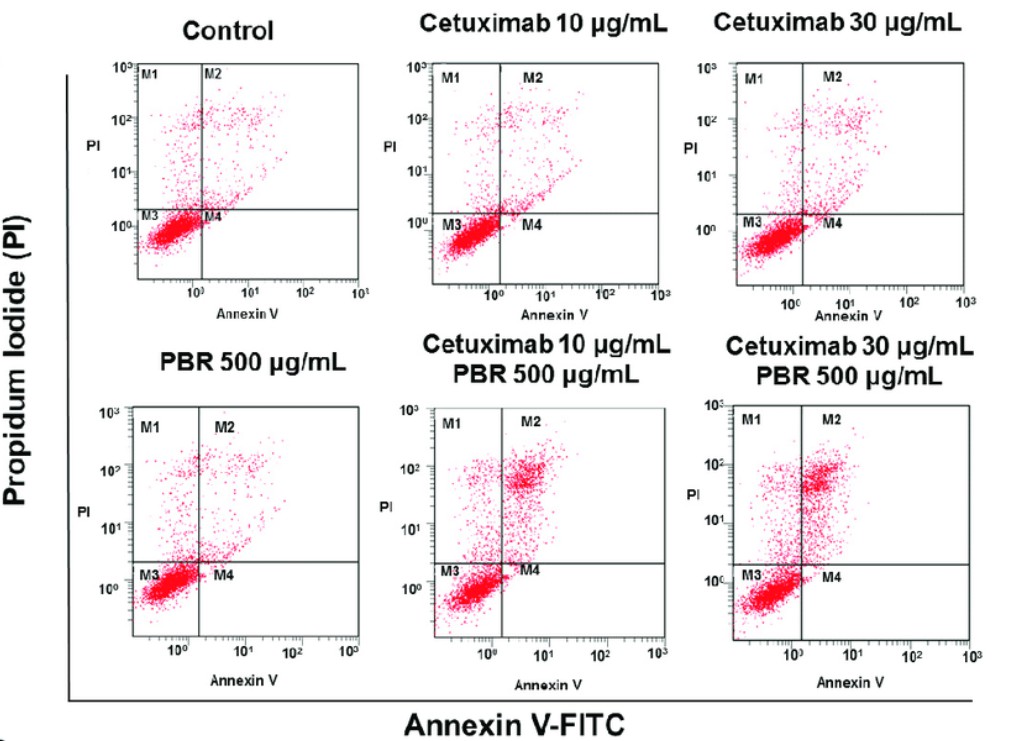 Fig. 1 Representative flow cytometry plots using Annexin V-FITC/PI staining for apoptosis. (Park H J, et al., 2017)
The Annexin V-FITC staining protocol consists of the following steps:
Cell Incubation with Annexin V-FITC:
Note: To prepare adherent cells for Annexin V-FITC staining:
Analysis of Annexin V-FITC Binding:
Observation of Cell Staining:
In summary, the Annexin V-FITC staining protocol is a powerful tool for the detection of apoptosis, enabling researchers to study the complex processes underlying programmed cell death. As a leading provider of innovative life science solutions, Creative Diagnostics offers a range of high-quality products and services related to Annexin V-FITC staining for apoptosis detection and empowers researchers to explore the intricate mechanisms of apoptosis.
References
Loading ......
