
Inquiry Basket
 Loading ......
Angiosarcoma, also known as malignant vascular endothelial tumor, is a rare malignant tumor that occurs from endothelial cells or mesenchymal cells that differentiate towards endothelial cells. Tumor cells have to some extent the morphological and functional characteristics of normal endothelial cells.
 Figure 1. Structure of Angiopoietin 2 vascular growth factor protein.
It can occur at any age, mostly in adults, and a few are congenital. It is more common in skin, subcutaneous, muscle, and bone tissues, and can also occur in the oral cavity, mediastinum, retroperitoneum, and other areas. Commonly found in the limbs, especially the lower limbs, followed by the trunk, head, and neck. It is usually solitary, of varying sizes, with a diameter of 1-4cm, hard in texture, nodular or patchy, with normal skin surface, occasionally accompanied by varicose veins or telangiectasia. Sometimes it manifests as benign. Clear boundaries, slow growth. Malignant individuals grow rapidly and exhibit invasive growth, while others form metastases, with the lungs being the most susceptible. In some cases, metastasis can still occur several years after the removal of skin tumors. Its pathway may be through lymphatic vessels or blood flow.
Attention should be paid to distinguishing it from solitary glomerulonephritis and Kaposi's sarcoma. This disease is different from solitary vasculitis, with greater damage, irregular cell proliferation, and polymorphic nuclei. It is also different from Kaposi's sarcoma, but the latter has more obvious vascular proliferation, endothelial cells protrude more into the lumen, and almost always red blood cells overflow. In malignant endothelial cell tumors, the vascular lumen is relatively prominent, and when stained with reticular fibers, it can be seen that the relationship between reticular fibers and tumor cells is completely different, which can be distinguished.
Skin vascular sarcoma may initially appear as bruising or purplish red papules. It may appear to be a benign tumor and may delay proper diagnosis and treatment. Fungi, ulcers, and bleeding may occur. Cardiac vascular sarcoma may manifest as shortness of breath, chest pain (46%), weight loss, anemia like symptoms, hypotension, and syncope. Hemangiosarcoma mainly metastasizes through the bloodstream, with the most common site of metastasis being the lungs; This may manifest as pleural effusion, pneumothorax, or other pleural diseases. Other common sites of metastasis include the liver, bones, and lymph nodes.
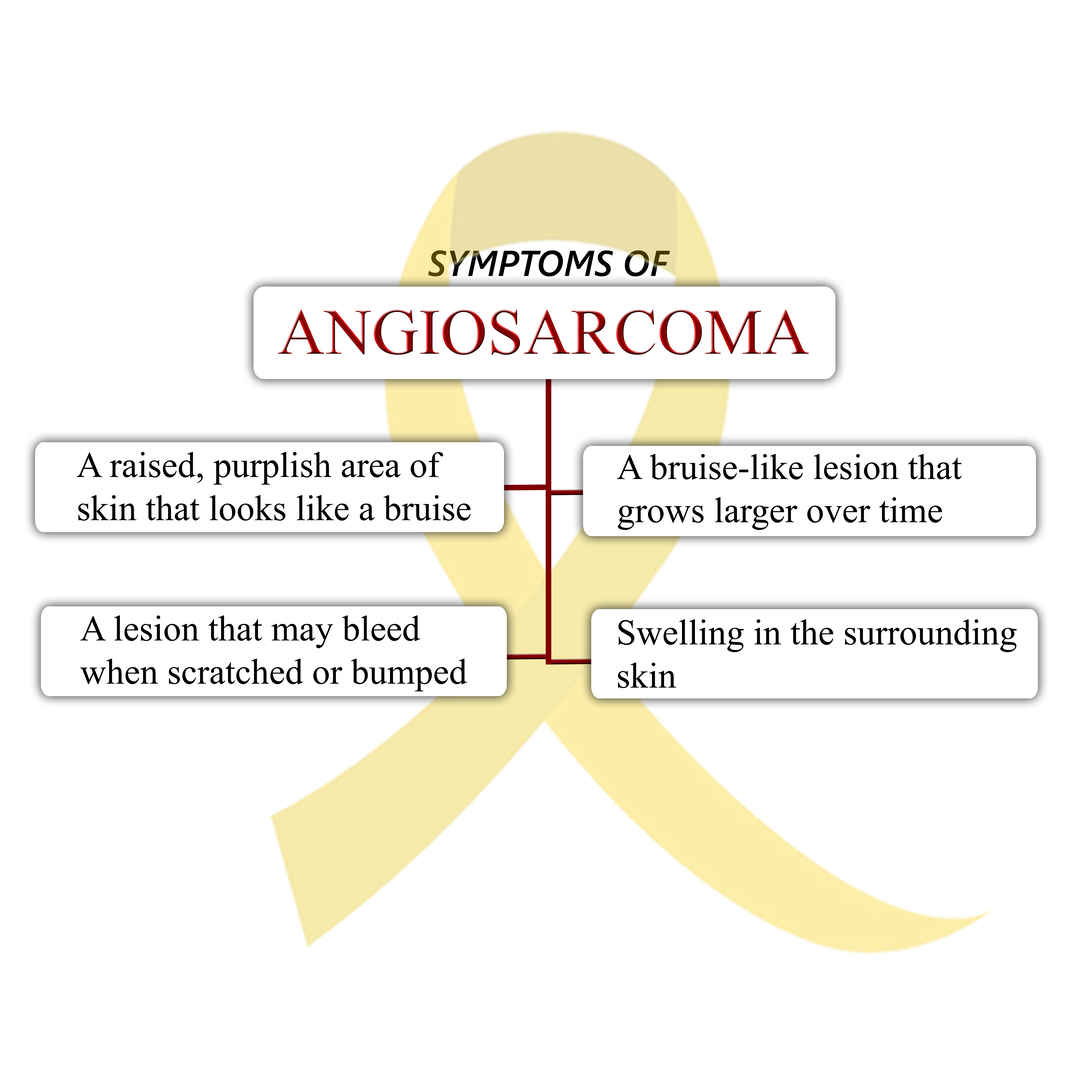 Figure 2. Signs and Symptoms of Angiosarcoma.
The exact cause of vascular sarcoma is still largely unknown, although there are several factors related to its development. These include chronic lymphedema, radiation exposure, environmental carcinogens, and certain genetic syndromes. The characteristic of this tumor is the proliferation of endothelial cells, which can differentiate into various morphological subtypes, including well differentiated tumors similar to vascular tumors and highly anaplastic solid tumors
The classification of vascular sarcoma is based on its origin and potential risk factors. Here are some common classifications:
| Classification of Angiosarcoma | Details |
| Secondary breast angiosarcoma | This is a breast vascular sarcoma, caused by potential causes such as lymphedema or radiation, typically resulting from cancer radiation therapy. The relationship between radiation therapy and vascular sarcoma has been controversial, with some believing that vascular sarcoma is caused by concurrent lymphedema. Secondary breast angiosarcoma often has a poor prognosis. The five-year survival rate for radiation angiosarcoma is 10% to 54%. 27% -42% of individuals have distant metastasis and a poor prognosis. Other prognostic factors include tumor size, age, and degree of surgical resection. |
| Primary brain angiosarcoma | Primary cerebral vascular sarcoma is a vascular sarcoma that occurs in the brain (i.e. without metastasis from elsewhere). They are extremely rare, with only a few cases reported. Imaging is non-specific, and differential diagnosis includes most other brain tumors, such as gliomas or cavernous hemangiomas, which typically require biopsy after surgery to confirm the diagnosis. The prognosis is usually poor, with a median survival rate of 8 months. However, this depends on whether the tumor has metastasized, and some people may overcome the disease after surgery, chemotherapy, and radiation therapy. |
| Primary cardiac angiosarcoma | Primary cardiac angiosarcoma is a type of angiosarcoma that occurs in the heart. Although very rare, they are the most common malignant primary cardiac tumors, with 10-25% of cases being angiosarcoma. Symptoms may include shortness of breath, chest pain, low blood pressure, and fainting. According to reports, superior vena cava syndrome is a complication of cardiac vascular sarcoma. Due to the non-specific nature of symptoms and the rarity of the disease, doctors often miss it, and the initial diagnosis may be delayed. A 2012 study reported that 56% of patients experienced pericardial effusion, with or without pericardial tamponade. The most common finding in imaging is cardiac hypertrophy. The prognosis is usually poor, with an average survival rate of three months to four years after diagnosis. |
As far as possible, the tumor should be extensively resected locally. Those who are not completely resected locally can add radiotherapy for adjuvant treatment. Despite this, the tumor recurrence rate is still high. About half of the patients have swollen lymph nodes in the drainage area. The operation often requires simultaneous lymph node dissection. The incidence rate of this tumor is low, and whether chemotherapy is effective is still uncertain.
| Cat. No. | Product Name | Host | Isotype | Application | |
| CABT-Z249R | Recombinant Rabbit Anti-Human VWF Monoclonal Antibody, clone CQ7195 | Rabbit | IgG | IHC-P | Inquiry |
| CABT-Z282R | Recombinant Rabbit Anti-Human ERG Monoclonal Antibody, clone CQ7238 | Rabbit | IgG | IHC-P | Inquiry |
| CABT-L2976 | Mouse Anti-Human Collagen Type IV monoclonal antibody, clone JID660 | Mouse | IgG | IHC | Inquiry |
| DMAB5570MH | Anti-FLI1 monoclonal antibody, clone CW5 | Mouse | IgG | IHC | Inquiry |
| CABT-L2814 | Mouse Anti-Human Flt-1/VEGFR1 monoclonal antibody, clone JID688 | Mouse | IgG | IHC | Inquiry |
| DCABY-137 | Anti-CD45 monoclonal antibody, clone KT-94 [FITC] | Rat | IgG2b | FC | Inquiry |
| DCABY-136 | Anti-CD45 monoclonal antibody, clone KT-94 [Biotin] | Rat | IgG2b | FC | Inquiry |
| DCABY-137 | Anti-CD45 monoclonal antibody, clone KT-94 [FITC] | Rat | IgG2b | FC | Inquiry |
Loading ......
