
Inquiry Basket
 Loading ......
Myocardial injury characterized by cardiomyocyte injury is a key indicator of various cardiovascular diseases, most notably acute myocardial infarction (AMI) or heart attack. Timely and accurate diagnosis is essential to initiate life-saving interventions and improve patient prognosis. Although electrocardiogram (ECG) provides initial clues, the cornerstone of modern diagnosis is to measure specific biomarkers released into the bloodstream after cardiomyocyte death. Enzyme linked immunosorbent assay (ELISA) has become a powerful, powerful and widely available analytical technique for the quantitative detection of these biomarkers. Its high sensitivity, specificity and the ability to simultaneously process multiple samples make it an indispensable tool in clinical diagnosis, drug research and basic scientific research of cardiovascular health. This resource page delves into the role of ELISA in myocardial injury assessment, exploring key biomarkers, applications, and detailed case studies using specific immunoassays.
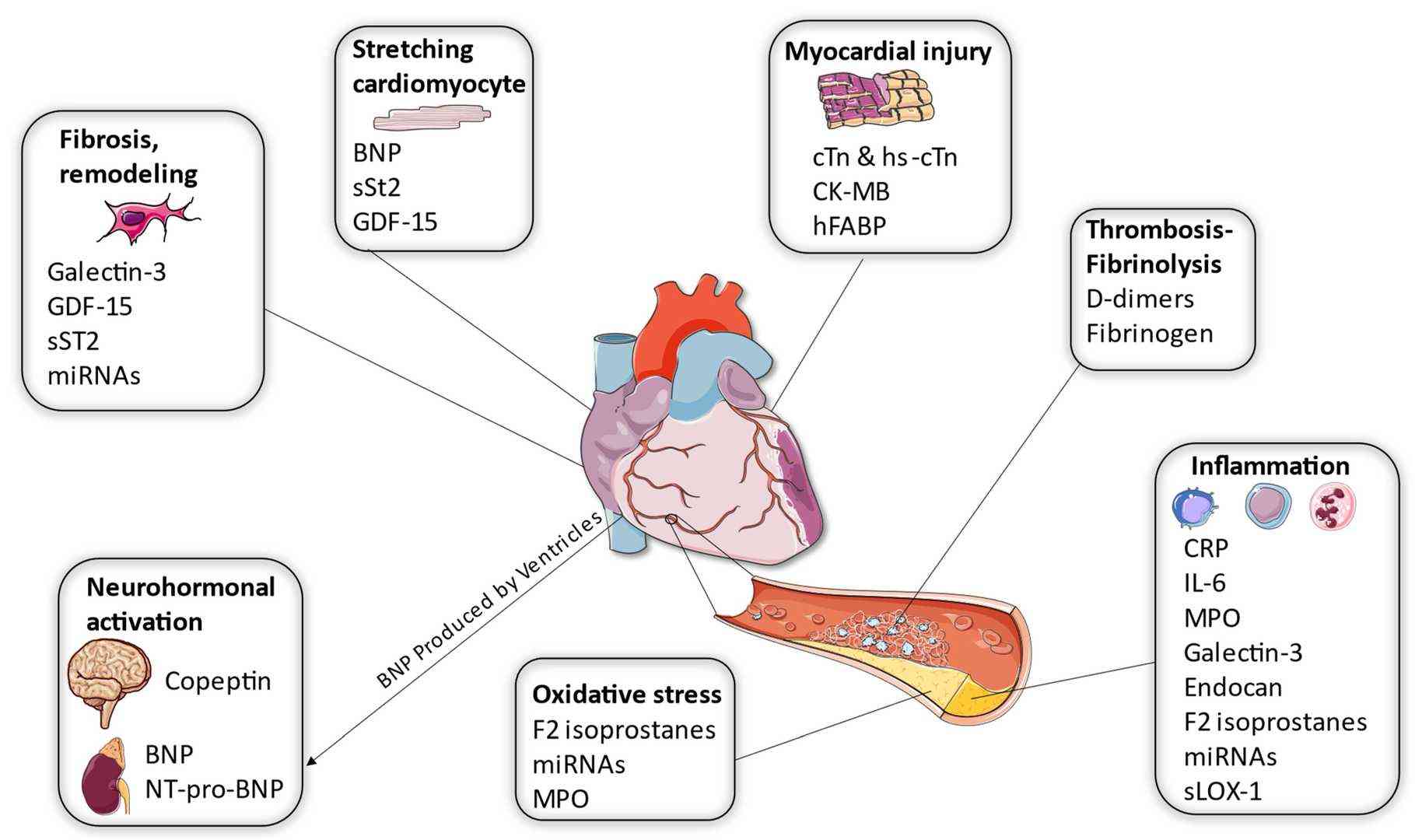 Figure 1. Different roles of biomarkers in the pathophysiology of Myocardial Infarction.(Katsioupa M, et al. 2023)
Common causes of myocardial injury include:
 Figure 2. Diagnostics on acute myocardial infarction. (Fathil M F M,et al. 2015)
When cardiomyocytes are damaged, their cell membranes become permeable, resulting in the release of intracellular proteins into the circulation. The specificity and timing of their release differ, creating a "biomarker schedule" that clinicians and researchers can use for diagnosis and monitoring. The following table outlines the main biomarkers used to assess myocardial injury:
| Biomarker | Full Name | Biological Role | Key Clinical/Research Utility |
| cTnI | Cardiac Troponin I | Inhibitory subunit of the troponin complex, regulating muscle contraction. | Gold Standard due to absolute cardiac specificity. Highly sensitive for AMI and minor myocardial injury. |
| cTnT | Cardiac Troponin T | Tropomyosin-binding subunit of the troponin complex. | Gold Standard. Equally specific for cardiac damage. Serial measurement is crucial for diagnosing AMI. |
| CK-MB | Creatine Kinase-MB | Isoenzyme of creatine kinase, found primarily in heart muscle. | Historically the gold standard; now used as a supporting marker or to detect reinfarction. |
| Myoglobin | Myoglobin | Oxygen-binding protein in cardiac and skeletal muscle. | Early "rule-out" marker due to its rapid rise. Lacks cardiac specificity. |
Clinical Diagnosis
High-sensitivity ELISA is used to measure cTnI and cTnT levels in patients' serum or plasma. A series of tests were performed to observe the characteristic troponin levels.
Preclinical Studies
In animal models of heart failure, ischemia-reperfusion injury, or drug-induced cardiotoxicity, species-specific ELISA kits are essential to assess the degree of myocardial injury.
Drug Development
Pharmaceutical companies use ELISA to screen potential cardiotoxic side effects of new drug candidates during non clinical research, which helps to identify risks early in the process.
Biomarker Discovery
Researchers used ELISA to verify the clinical significance of new potential biomarkers by comparing their levels with existing deposit standards such as troponin.
Accurate measurement of biomarkers of myocardial injury relies on highly specific and validated detection tools. ELISA kits designed for these goals enable researchers to perform accurate quantitative analysis of samples from various sample types, including human serum and plasma, as well as preclinical animal models. The table below summarizes the selection of key biomarkers and their corresponding ELISA kits that can be used for research, highlighting the breadth of species and analytes that can be used to advance cardiovascular research.
| Product Name | Biomarker | Species Reactivity | Key Feature |
| Human Cardiac-Specific Troponin-I ELISA Kit | Cardiac Troponin I (cTnI) | Human | High specificity for the cardiac-specific isoform; ideal for clinical research. |
| Human Troponin T ELISA Kit | Cardiac Troponin T (cTnT) | Human | Robust assay for the quantitative detection of cTnT in serum/plasma. |
| Human CK-MB ELISA Kit | Creatine Kinase MB (CK-MB) | Human | Specifically measures the CK-MB isoenzyme, a traditional marker for MI. |
| Human Myoglobin ELISA Kit | Myoglobin (Myo) | Human | Detects early-phase myocardial injury; rapid release kinetics. |
| Monkey TNNI2 ELISA Kit | Troponin I, Fast Skeletal Muscle (TNNI2) | Monkey | Essential for primate-specific cardiology and toxicology studies. |
| Pig TNNI3 ELISA Kit | Cardiac Troponin I (TNNI3) | Pig | Critical for translational research using porcine models of heart disease. |
Quantitative Results
Analyzing Myocardial Injury Biomarkers with ELISA provide accurate numerical concentration values, allowing accurate tracking of biomarker levels over time.
High Sensitivity and Specificity
ELISA based on modern monoclonal antibodies can detect the concentration of picogram per milliliter (pg/ml), which is essential for identifying minor myocardial injury.
Cost Effectiveness
ELISA provides a favorable balance in terms of performance, speed, and cost compared with more complex technologies.
Case Study 1: Clinical Validation of a Human Troponin T ELISA Kit in an Acute Myocardial Infarction Cohort
Background: This study aimed to evaluate the utility of human troponin T (cTnT) ELISA kit in clinical diagnosis. By comparing the serum samples of patients with acute myocardial infarction (AMI), patients with non-cardiac chest pain and healthy controls, the ability of the kit to distinguish myocardial injury was verified.
Summary of results: The analysis results show that the cTnT kit can effectively distinguish different populations. The concentration of cTnT in healthy controls and patients with non cardiac chest pain was always maintained at a low level. In sharp contrast, cTnT concentration was significantly increased in patients with acute myocardial infarction.

Case Study 2: Application of human cardiac specific troponin-I ELISA kit in preclinical drug safety assessment
Background: Human cardiac specific troponin-I (cTnI) ELISA kit was used to evaluate the potential cardiotoxicity of a novel candidate drug on a human stem cell-derived cardiomyocyte model. The drug-induced cardiomyocyte injury was quantified by measuring the release of cTnI in the cell culture supernatant.
Summary of results: This cTnI kit showed excellent specificity in a complex cell culture medium matrix. The experimental data showed that the release of cTnI in the experimental group treated with drugs was significantly increased compared with the control group without drugs. More importantly, this elevation of cTnI showed a clear dose-dependent effect.


We collect and process clinical samples (serum/plasma) to eliminate hemolysis/hyperlipidemia and ensure compliance with pre analytical quality standards prior to testing.

We initialize the ELISA kit by preparing calibration samples constructed from standard curves and running low/high concentration quality control materials.

We add the processed sample to a pre coated microplate, incubate to form a sandwich complex, and perform sequential washing to remove non-specific binding.

We measured absorbance using a microplate reader, and calculated tumor marker concentrations using a validated regression model.

We cross validate the results based on the quality control scope, address potential interferences (such as hook effects), and generate clinically actionable reports.
ELISA is a powerful tool for analyzing biomarkers of myocardial injury, providing a mixture of sensitivity, specificity, and cost-effectiveness. It is able to quantify cTnT and cTnI gold standard markers, which is essential for diagnosing AMI, stratifying risk and monitoring patient prognosis. Kits such as Creative Diagnostics' human troponin T and cardiac specific troponin-I ELISA kits exemplify the clinical utility of ELISA and provide reliable data for guiding critical cardiovascular care.
Both are good markers of cardiac injury. The main difference lies in the proteins they detected. From a clinical point of view, they can be used to diagnose AMI to a great extent. However, their detection methods are different, and specific institutions usually focus on one standardization.
Yes. High sensitivity troponin (HS CTN) detection is an immune detection method with low detection limit, which can measure the troponin level of the vast majority of healthy individuals. This allows the detection of minor injuries that older, less sensitive detection methods would miss.
The reference kit of creative diagnostics has been validated for use in human serum and plasma (heparin or EDTA). It is essential to avoid repeated freeze-thaw cycles of samples to prevent protein degradation.
Depending on the incubation time of the specific kit protocol, a typical ELISA procedure from sample addition to final reading takes approximately 2.5 to 4 hours.
References
Loading ......
