
Inquiry Basket
 Loading ......
Respiratory syncytial virus (RSV) is a single-stranded antisense RNA virus, which is enveloped and belongs to the genus Orthopneumovirus in the family Pneumoviridae. The RSV genome contains 10 genes, full-length 15.2kb, which encodes 11 proteins, including nuclear (N) proteins, matrix (M) proteins, non-structural (NS) proteins (NS-1 and NS-2), proteins required for functional polymerase complexes, including phosphoproteins (P) and polymerase (L) proteins, externally exposed transmembrane glycoproteins, including small hydrophobic proteins (SH), glycoproteins (G), and fusion proteins (F), as well as regulatory M2 proteins (M2-1 anti-termination protein and M2-2 protein). G glycoproteins can bind virions to target cells by interacting with host cell surface molecules such as glycosaminoglycans and CX3CR1. G proteins are also the most variable structural proteins, whose variability determines RSV antigenic groupings (RSV-A and RSV-B), and whose sequences have been used in a number of epidemiological and evolutionary studies. F protein interacts with immobilized heparin, cellular heparin sulfate, intercellular adhesion molecule-1 (ICAM1), epidermal growth factor receptor (EGFR) and nucleolins protein to promote cell adhesion and RSV infection. NS1 and NS2 inhibit apoptosis and type I interferon response, thus escaping innate immunity. M2-1 protein is involved in the formation of the envelope structure of RSV, while M2-2 protein controls the switch from transcription to genomic replication.
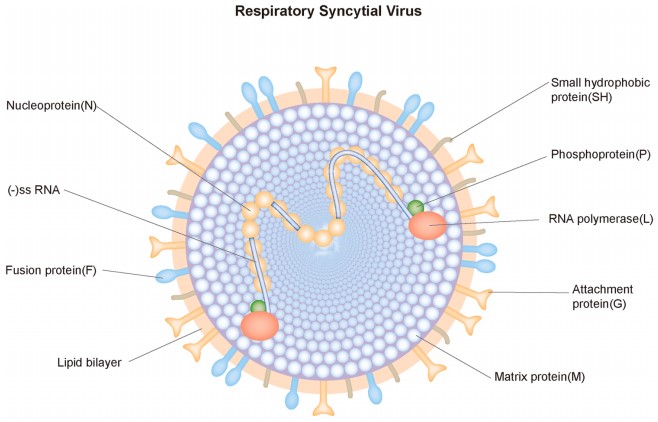 Figure 1. Respiratory syncytial virus virion
(Source: Qiu X, et al. 2022)
Clinical manifestations in patients with RSV infection range from mild upper respiratory tract disease or otitis media to severe, life-threatening lower respiratory tract involvement. The most common lower respiratory tract illness in infants infected with RSV is bronchiolitis. 15% of infants with primary RSV infection have lower respiratory tract involvement, and 1%-3% of newborns require hospitalization each year, with the highest risk in infants aged 2-6 months. 30%-75% of children under 2 years of age are reinfected with RSV. The rate of reinfection depends on the intensity of the epidemic. The severity of symptoms in secondary infections gradually decreases with increasing exposure. Secondary infections are also common in adults, where symptoms are usually either absent or limited to the upper respiratory tract (about one-quarter of symptomatic illnesses are associated with lower respiratory tract disease, including tracheobronchitis, bronchiolitis, and wheezing). RSV is also a major cause of morbidity and death in patients with compromised immune function, chronic cardiopulmonary disease, and the elderly.
Respiratory syncytial virus (RSV) infections account for 60-80% of infantile capillary bronchiolitis and 40% of childhood pneumonia. Nearly 70% of infants become infected with RSV in the first year of life, and almost all children (90%) become infected within the first two years of life, with as many as 40% of them presenting with lower respiratory tract infections at the time of their initial illness. Children with a history of RSV lower respiratory tract infections have a 2- to 12-fold higher risk of childhood asthma and remain associated with a developmental trajectory of decreased lung function even in adolescence.
Due to the heavy health and economic burden brought by RSV disease, timely preventive measures can improve RSV infection, reduce the incidence of serious diseases in infants and children, and reduce the economic burden. Treatment for RSV is usually limited to symptomatic relief, and prophylactic measures being developed to protect all infants and young children from RSV infection include passive immunization of young children through vaccination of pregnant women (maternal immunization), active immunization of older infants and toddlers, and vaccination of newborns and infants with long-acting monoclonal antibodies. Maternal immunization is currently the only strategy that can be used to protect newborns and young children from influenza and pertussis infection in the first few months of life, and maternal influenza vaccination protects pregnant women and their babies until they are fully protected by vaccination when they are about 6 months old. As a result, the World Health Organization recommends that pregnant women be vaccinated against seasonal influenza and pertussis in countries with high infant morbidity or pertussis mortality.
The fact that RSV-positive samples have been found in the elderly and high-risk adults suggests that RSV infects not only infants and young children, but also a subset of immunocompromised adults with cardiopulmonary disease and the elderly. This has stimulated interest in research on RSV vaccines and antiviral drugs to better understand the reality of RSV infection in the elderly and high-risk adults.
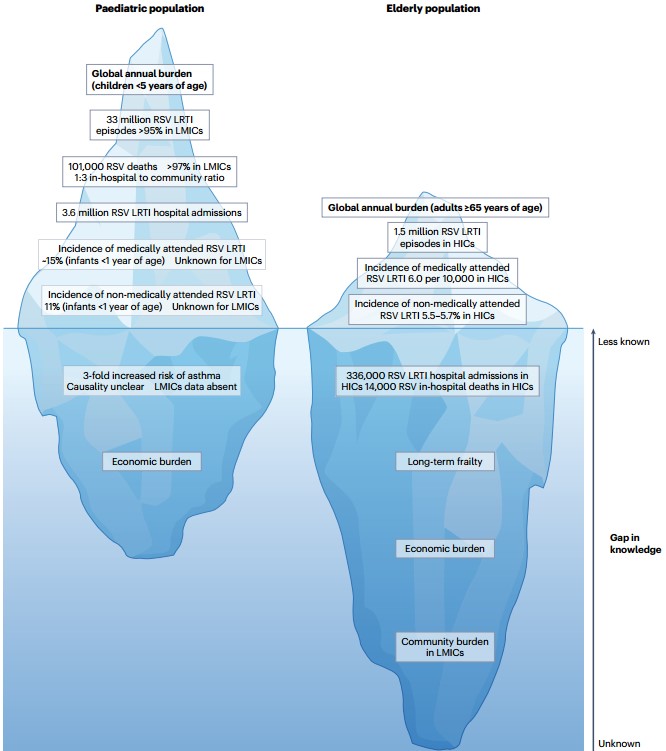 Figure 2. Global disease burden of respiratory syncytial virus
(Source: Langedijk AC, et al. 2023)
There is currently no mature, available RSV vaccine. There are many challenges to the development of RSV vaccines for infants. The ability of infants under 4-6 months of age to generate an effective, long-term adaptive memory response after immunization may be impaired. A second challenge is the issue of vaccine safety, as vaccine-enhanced respiratory disease (ERD) can occur when a vaccinated child becomes infected with RSV. Finally, the very short time between birth and first RSV infection in infants also prevents direct RSV vaccination of infants. Because of these challenges, pediatric vaccines cannot meet the currently unmet need to protect all infants from RSV infection from birth.
Various vaccine strategies to prevent RSV infection in infants are currently under development, including protein vaccines using stabilized pre-fusion conformation protein (pre-F) subunits or virus-like particles, live vaccines with attenuated strains of RSV or viral vectors expressing RSV proteins, and vaccines using nucleic acids encoding RSV antigens. The use of each type of vaccine depends on the age of the vaccinated individual and whether he or she has been exposed to RSV. These vaccines usually target the highly conserved F protein, and it was found that F protein-induced serum neutralizing antibody titers in RSV-infected patients were significantly higher than those of G and SH proteins; therefore, the F protein is considered to be an important target for RSV vaccine development.
In the process of fusion between RSV and host cell membrane, the conformation of F protein changes from unstable pre-F to stable trimeric conformation (post-F), in which the specific antibody of pre-F determines the neutralization activity of RSV in human serum, and the neutralization efficiency of antibody binding to pre-F is also higher.
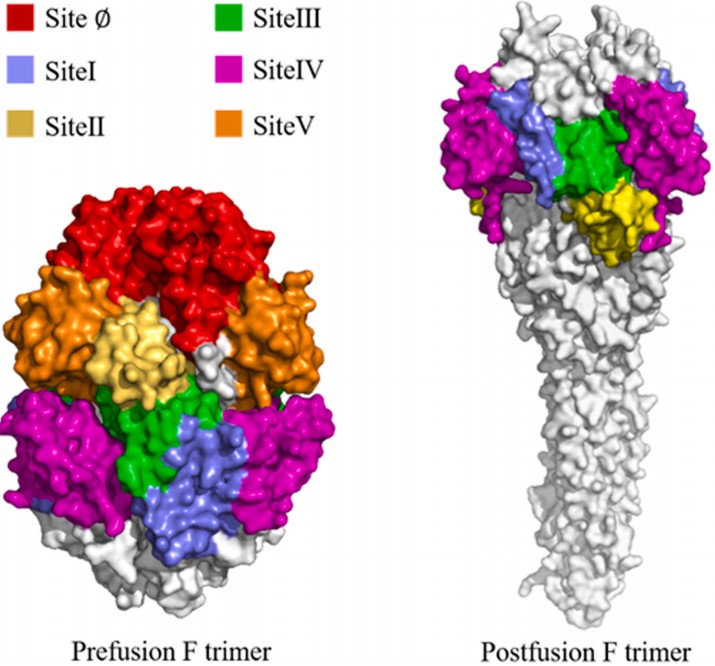 Figure 3. RSV F structures and antigenic sites
(Source: Qiu X, et al. 2022)
The analysis of pre-F protein structure promotes the research and development of RSV vaccine. Six antigenic epitopes of pre-F and four epitopes of post-F have been reported. However, the conformational instability of pre-F protein limits its purification and expression, which also puts forward requirements for protein engineering. Candidate vaccines containing F protein mainly focus on engineering methods to stabilize pre-F conformation. In the production of vaccine, because F protein will destroy the cell membrane, cells will not easily re-express F protein after the first fusion, on the other hand, the prokaryotic expression system cannot effectively express some regions of F protein. E. coli protein lack of glycosylation modification and disulfide bond formation, thus affecting the vaccine activity, so the eukaryotic expression system is more suitable for vaccine production. In a Phase I clinical trial, a subunit vaccine candidate against RSV pre-F was found to increase serum neutralizing active antibody titers by more than 10-fold. On the other hand, the new mRNA vaccine developed cleverly avoids the complex protein structure design and directly utilizes the host cell system to express pre-F, thus providing a new strategy for RSV vaccine design. At present, a variety of pediatric vaccine candidates are under clinical development (preclinical, Phase I and Phase II). In the future, the vaccine can be used as a new immunization strategy for older infants or children to prevent RSV, providing lasting RSV protection throughout childhood.
References
Loading ......
