
Inquiry Basket
 Loading ......
Because of its efficient gene delivery capability to target cells, non-pathogenic adeno-associated virus (AAV) is frequently used as a viral vector in clinical trials for gene therapy. AAV2 and AAV8 stand out among the various AAV serotypes because of their distinctive features which prompt extensive analysis to assess their benefits and drawbacks for different gene therapy approaches.
AAV2
The AAV2 serotype stands out as the most extensively examined member of the AAV family. AAV2 naturally targets skeletal muscle cells as well as neurons vascular smooth muscle cells and liver cells. The AAV2 capsid structure consists of three viral proteins VP1, VP2 and VP3 which organize into an eight-stranded β-barrel formation with extended loops present between each β-strand. The surface of AAV2 capsid contains specific amino acid sequences which bind to cellular receptors including heparan sulfate proteoglycan (HSPG) to start viral entry into host cells.
Scientists identified AAV2 in 1965 when it appeared as a contaminant in adenovirus preparations from rhesus monkeys and later demonstrated that it posed no pathogenic threat to humans. AAV2 became the first AAV serotype to be mass-produced because of its exceptional promise in gene therapy applications and it has found wide use in both research and clinical settings.
AAV8
Researchers successfully extracted AAV8 as a new serotype from rhesus monkey tissue samples. AAV8 capsid structure shares features with AAV2 and AAV4 through its eight-stranded β-barrel formation yet displays unique amino acid sequences on the surface of the capsid. AAV8 experiences reduced basic charge distribution in AAV2's HSPG-binding region which prevents it from binding to heparan sulfate.
AAV8 was first isolated in 2002, later studies demonstrated its superior transduction efficiency in liver tissues compared to other AAV serotypes. The identification of AAV8's properties positioned it as a top viral vector candidate for liver-directed gene therapies to treat conditions like hemophilia and familial hypercholesterolemia.
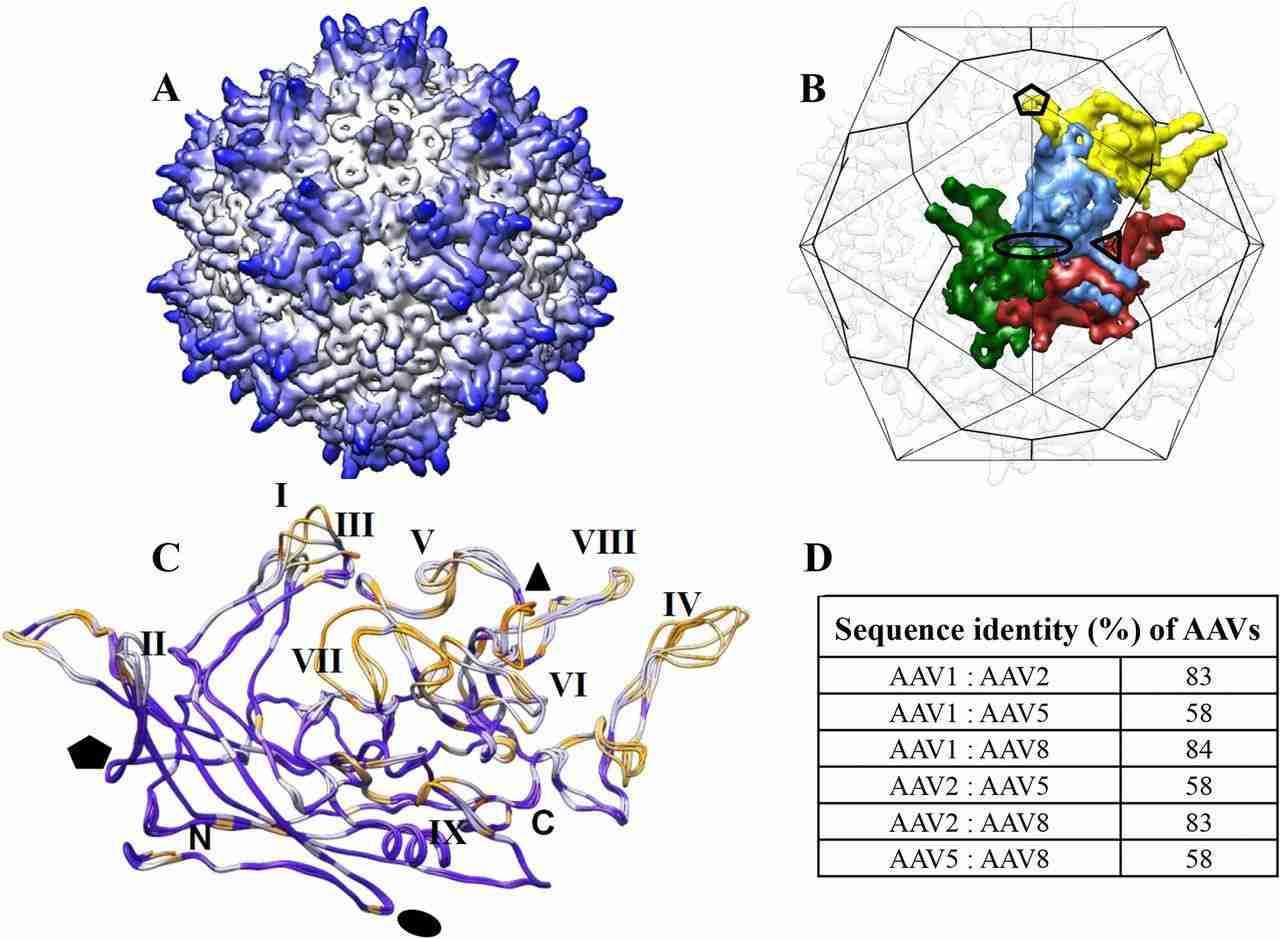 Figure 1. Structure and conservation of adeno-associated viruses. (Source: Rayaprolu V, et al. 2013)
Researchers use AAV2 and AAV8 extensively in gene therapy studies and clinical trials because each vector displays distinct differences in tissue tropism patterns and transduction efficiency along with variations in immunogenicity and other features. AAV2 targets specific tissues natively while showing limited transduction ability in the liver yet AAV8 achieves substantially better transduction outcomes in hepatic tissues. By analyzing these two serotypes, researchers determine their suitability for particular gene therapy uses.
Tissue Tropism
Receptor Binding and Cellular Entry Mechanisms
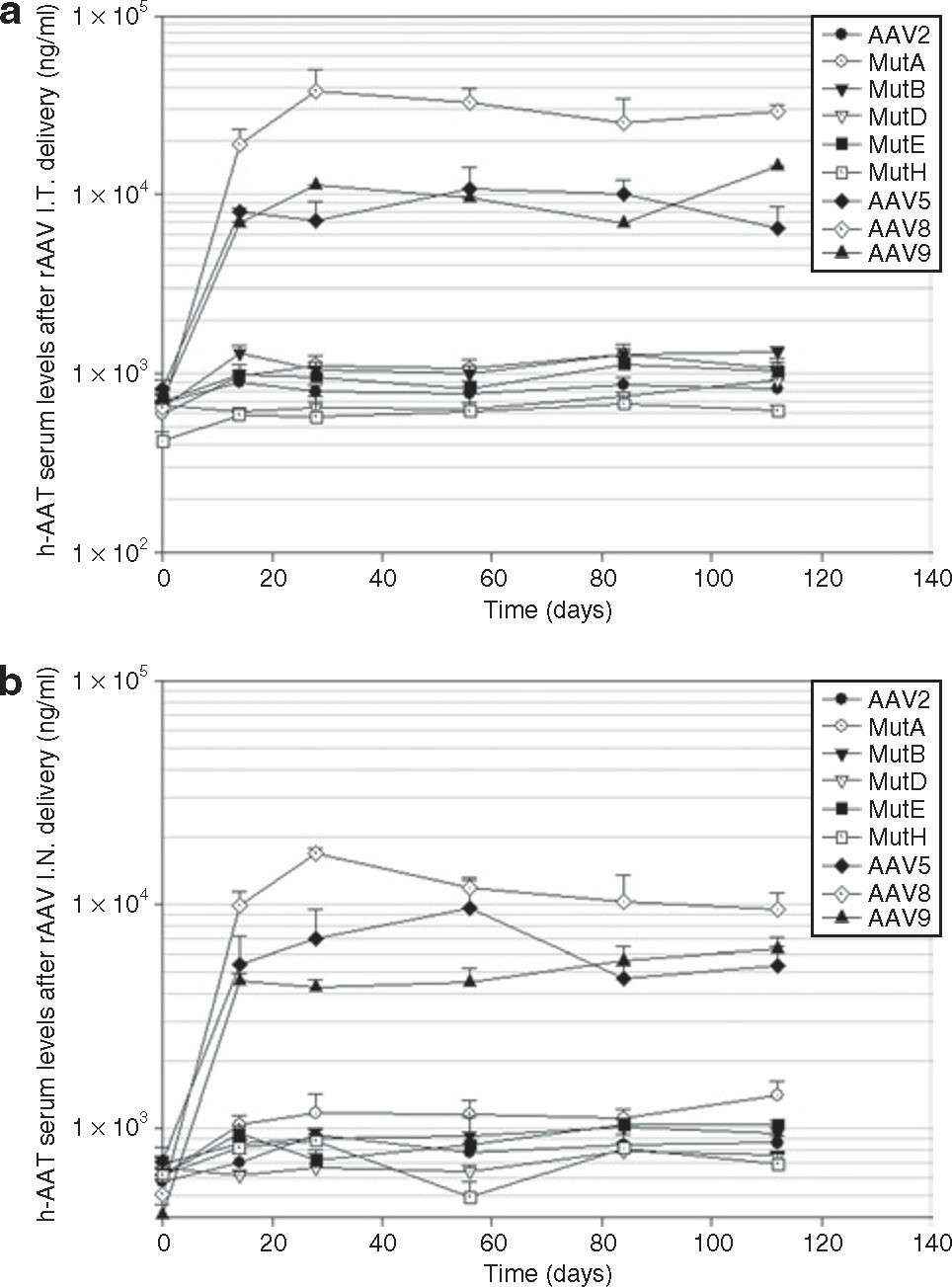 Figure 2. Comparison of serum human α-1-antitrypsin (hAAT) levels among the different rAAVs and delivery routes. (Source: Wang L, et al. 2009)
Transduction Efficiency
Immunogenicity
Vector Design and Modifications
Comparative studies of AAV2 and AAV8 capsid proteins reveal structural differences that enable researchers to investigate their functional properties and create more efficient chimeric viral vectors. Scientists created AAV2/8 chimeric vectors that improve liver transduction efficiency by adding AAV8's liver-targeting functional region to the AAV2 capsid.
Packaging Capacity
Clinical Applications
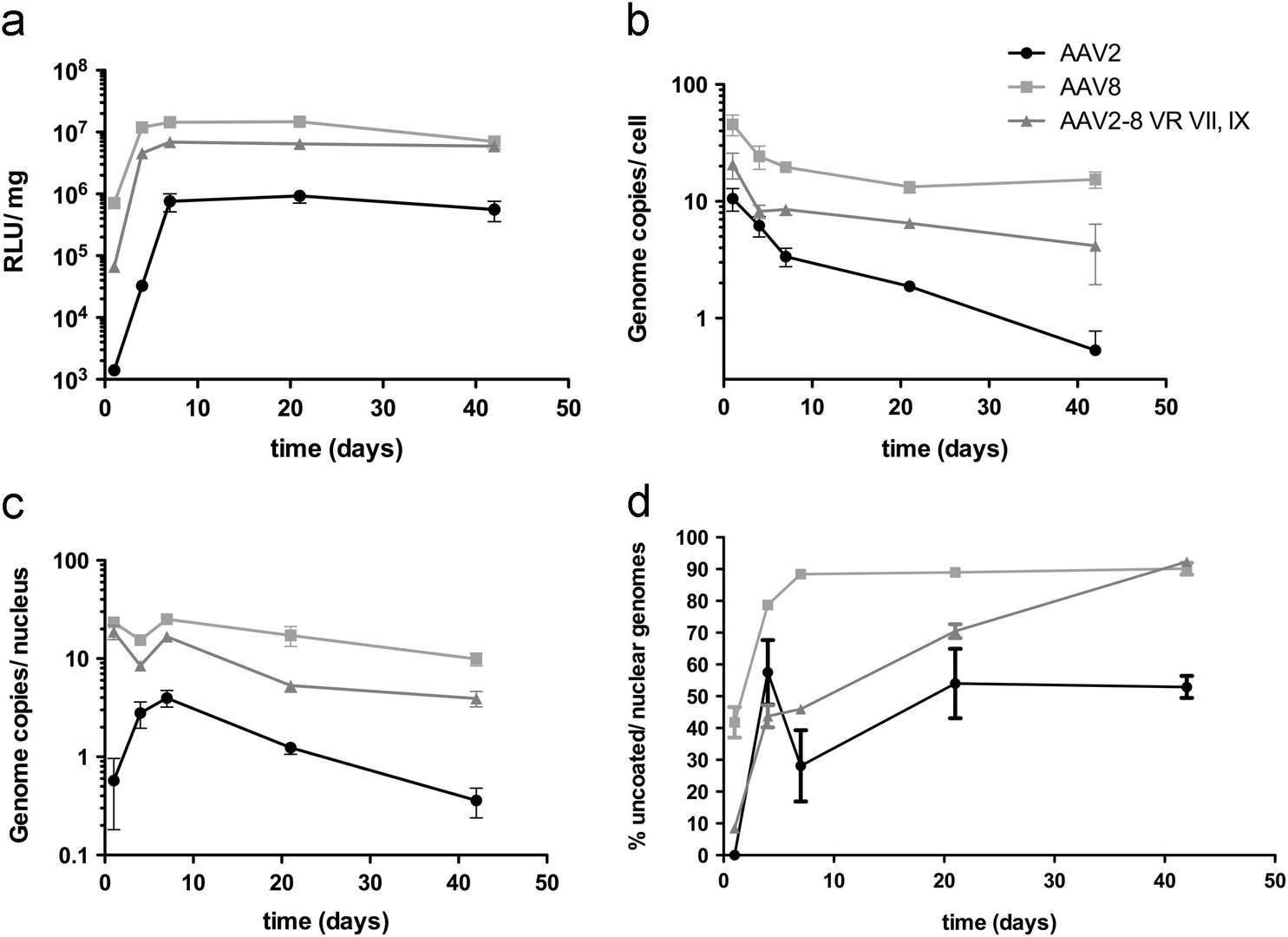 Figure 3. Characterization of mouse liver transgene expression mediated by AAV8, AAV2 and a chimeric vector containing variable regions VII and IX from AAV8 in an otherwise fully AAV2 backbone. (Source: Tenney RM, et al. 2014)
Overall, AAV2 and AAV8 serve as key AAV serotypes that find widespread use in gene therapy applications. AAV2 naturally targets multiple tissues yet shows reduced transduction efficiency when targeting the liver. AAV8 achieves superior liver transduction results and lower immunogenicity making it the preferred option for liver-targeted therapies. The selection of an appropriate AAV vector demands a thorough evaluation of the strengths and weaknesses of each serotype to achieve optimal therapeutic outcomes for specific gene therapy applications.
References
| Target | Cat. No. | Product Name | Size | Species | Application | Detection Sample | |
| AAV2 | DEIA589 | AAV2 Titration ELISA Kit | 96T | N/A | Quantitative | cell culture supernatants and purified virus preparations | Inquiry |
| AAV5 | DEIAAV5 | AAV5 titration ELISA kit | 96T | N/A | Quantitative | cell culture supernatants and purified virus preparations | Inquiry |
| AAV6 | DEIAAV6 | AAV6 Titration ELISA Kit | 96T | N/A | Quantitative | cell culture supernatants and purified virus preparations | Inquiry |
| AAV8 | DEIAAV8 | AAV8 Titration ELISA Kit | 96T | N/A | Quantitative | cell culture supernatants, purified virus preparations | Inquiry |
| AAV9 | DEIAAV9 | AAV9 Titration ELISA Kit | 96T | N/A | Quantitative | cell culture supernatants, purified virus preparations | Inquiry |
Loading ......
