
Inquiry Basket
 Loading ......
Gene therapy is a very hot field in treatment, which is aimed at treating the cause of disease rather than symptoms. In the current state, we have made great progress in gene therapy, and among all the available gene therapy platforms, AAV based vectors are considered one of the most promising gene delivery vectors. The development trend of adenovirus in gene therapy is increasing, and more and more clinical trials use it for treatment. To date, regulatory agencies have only approved three in vivo gene therapy methods for clinical use, and all of them are based on AAV vectors. In 2012, EMA first approved the use of AAV vectors for the treatment of lipoprotein lipase deficiency, but due to the low demand, it is no longer on the market. In addition, the FDA approved the AAV based gene therapies Sparktherapies' Luxturna and Avexis' drug Zolgensma, which are used for inherited retinal disease and spinal muscular atrophy respectively. AAV is believed to have better safety due to its low immunogenicity and site-specific integration. However, neutralizing antibodies against AAV are commonly present in most populations, which restricts the systemic application of AAV.
 Figure 1. Binding and neutralizing anti-AAV antibodies.( Schulz, Martin., et al. 2023)
AAV was first discovered in the 1960s and is considered a pollutant in adenovirus culture. However, with the discovery that AAV can only replicate in the presence of adenovirus, and the subsequent presence of herpes simplex virus type 1 (HSV-1), the connection between adenovirus and AAV was quickly established. After confirming that AAV can transform mammalian cells, researchers began producing recombinant AAV (rAAV). Plasmids containing adenovirus DNA can replicate AAV independently of helper viruses. This discovery has propelled the development of the field and truly opened up the field of AAV gene therapy.
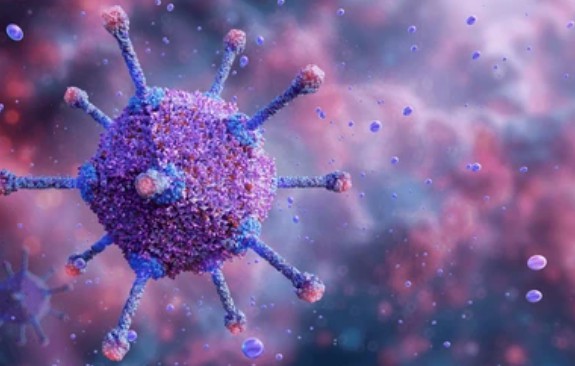
AAV is a small, non enveloped parvovirus with a genome size of approximately 4.7kbp in a 20-25nm capsid. The genome is divided into two coding regions for replication (REP) and capsid protein (CAP), with inverted repeat sequences (ITR) at both ends of the genome. REP encodes four proteins related to infection, integration, and replication, Rep40, Rep52, Rep68, and Rep78, while CAP encodes three proteins, VP1, VP2, and VP3, which form the 60 mer capsid of AAV in a 1:1:10 ratio. VP3 is the most abundant, forming the exterior of the shell structure, while VP1 and VP2 form the interior.
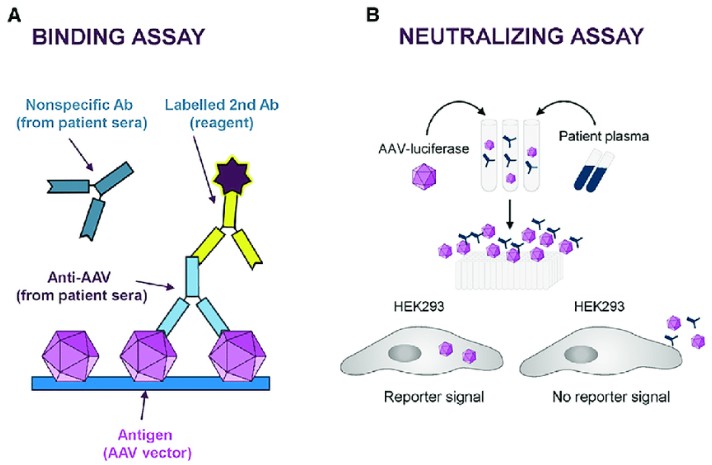 Figure 2. Assays used to measure preexisting immunity to AAVs. ( Mendell, Jerry R., et al. 2022)
AAV cannot replicate independently and can only replicate and cause lytic infections in the presence of helper viruses such as adenovirus, herpes simplex virus, and smallpox virus. Otherwise, only lytic latent infections can be established. AAV integrates its genome into a specific location on chromosome 19, namely AAVS1, or replicates independently outside the chromosome. AAV is non pathogenic and does not cause any disease even in its natural state; In addition, it does not have a systemic innate immune response. A total of 12 natural AAV capsid serotypes were discovered and named AAV1-AAV12, which exhibit preferential binding to specific tissues in vivo. AAV can not only infect actively dividing cells, but also quiescent cells, making it particularly valuable for many cell populations that are insensitive to gene transfer by viral and non viral vectors, such as retinal cells and neuronal cells.
Modify the AAV shell: Introducing mutations in the binding region of AAV capsid receptors to create new serotypes with significant differences from wild-type AAV capsids, in order to avoid NAb. There are usually significant cross reactions between different serotypes, and introducing mutations to avoid neutralization reactions is not easy. At the same time, the introduced mutations may also seriously affect the infectivity and targeting of rAAV, affecting the efficacy.

Plasma exchange: Co incubation of intravenous IgG antibodies or human serum with AAV covalently coupled magnetic beads can remove neutralizing antibodies/factors. This approach has been validated in rats, but its feasibility still needs to be demonstrated in large animal models. At the same time, the efficiency of plasma exchange varies, and multiple rounds of exchange may be required to clear pre stored antibodies to lower levels, which also has high requirements for equipment and site.

Remove IgG: Using streptococcal cysteine protease (IdeS) or its homolog IdeZ to cleave IgG into F (ab ') 2 and Fc fragments, thereby relieving the neutralizing effect. This idea has been validated in passively immunized mice. IdeS treatment can not only achieve successful transduction in neutralizing antibody positive NHPs, but also enable re administration using the same AAV serotype.
clinical application has significant limitations. The presence of neutralizing antibodies against AAV remains an important obstacle to systemic delivery, as these neutralizing antibodies interfere with AAV entry into target cells, intracellular transport, and unpacking in the nucleus, thereby preventing transduction. In order to better understand the immune response caused by exposure to AAV, some studies have been conducted to examine the IgG subclasses produced, and it has been found that they are mainly IgG1. Epidemiological studies have shown that neutralizing antibodies with varying serum positivity rates can be found in 30-60% of the population. The most popular neutralizing antibodies among these are those targeting AAV2, followed by AAV1. Another issue with AAV mediated gene therapy is the size limitation of the genome (4.7kbp), including ITRs, which leave only a space of approximately 4.5kbp for the transferred gene, reducing its targeted indications to only express small fragments of the transgenic gene.
Our ELISA kit utilizes highly specific monoclonal antibodies to recognize the complete AAV capsid (AAV1-AAV9) of specific serotypes. The detection adopts a sandwich ELISA format, where:
Key technical features
Related Product Lists
| ELISA Kit | Application |
| Human Anti-AAV2 Antibody ELISA Kit | The Anti-AAV2 ELISA is used as an analytical tool for qualitative determination of antibodies to AAV2 in serum. |
| Mouse Anti-AAV8 antibody ELISA Kit | The Mouse anti-AAV8 ELISA is used as an analytical tool for qualitative determination of antibodies to AAV8 in Mouse serum. |
| Human Anti-AAV9 Antibody ELISA Kit | The Anti-AAV9 ELISA is used as an analytical tool for qualitative determination of antibodies to AAV9 in serum. |
| Human anti-AAV5 antibody ELISA Kit | The Anti-AAV5 ELISA is used as an analytical tool for qualitative determination of antibodies to AAV5 in serum. |
The existing anti AAV neutralizing antibodies are a challenging issue for AAV gene therapy, as they severely limit the patient population that may benefit from AAV gene therapy. In the past few years, significant progress has been made in overcoming this huge obstacle, and engineered AAV can address these issues while providing additional benefits. In addition, IgG lytic proteases are particularly suitable for AAV gene therapy patients who already have anti AAV antibodies. A drug or gene therapy neutralizing antibody detection ELISA kit has proven invaluable in the development of gene therapy and vaccines. Their high sensitivity, high throughput, and low cost make them ideal for preclinical and clinical applications. Using these test kits as part of preclinical and clinical workflows, researchers and clinicians can improve patient selection, dosing decisions, and treatment outcomes, while avoiding immune-mediated treatment failures.
References
Loading ......
