







Inquiry Basket
 Loading ......
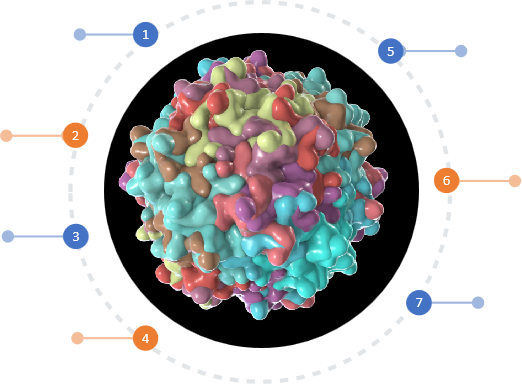
The Adeno-associated virus (AAV) represents a single-stranded DNA virus without an envelope that falls under the Parvoviridae family and the Dependovirus genus. The virus measures between 20 and 25 nanometers in diameter with a capsid that displays icosahedral symmetry formed from 60 protein subunits. Specific tissue targeting by different serotypes is controlled by their capsids.

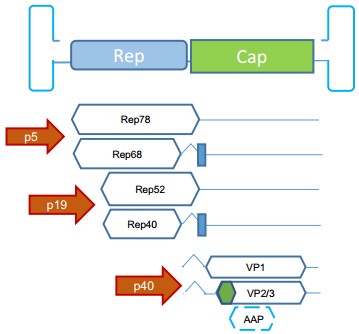
The AAV genome spans approximately 4.7 kilobases while containing inverted terminal repeats (ITRs), Rep genes, and Cap genes. The ITRs sit at each extremity of the genome and serve essential roles in viral replication as well as packaging and integration. The Rep gene produces proteins that facilitate replication and the Cap gene produces proteins that form the capsid. In gene therapy applications recombinant AAV (rAAV) retains its ITRs while using helper plasmids to supply capsid proteins and therapeutic genes to substitute Rep/Cap genes creating non-replicative vectors. AAV functions as a central gene therapy vector because its biological characteristics make it an essential instrument in contemporary medical applications.
We offer a comprehensive range of AAV-related products, including serotype-specific antibodies, antibodies targeting different proteins and viral particles, as well as Titration ELISA kits. These products are designed to meet your various experimental needs in gene therapy and viral research, helping you efficiently conduct AAV-related studies and development.
| AAV Serotype | Muscle | Liver | Lung | Brain | Retina | Pancreas | Kidney | Heart |
| AAV1 | √ | Neurons and glial cells | √ | √ | √ | |||
| AAV2 | √ | √ | √ | |||||
| AAV3 | √ | √ | √ | |||||
| AAV4 | √ | √ | ||||||
| AAV5 | Lung alveolar cells | Neurons and glial cells | √ | |||||
| AAV6 | √ | √ | √ | |||||
| AAV7 | √ | Neurons | √ | √ | ||||
| AAV8 | √ | √ | Neurons | √ | √ | |||
| AAV9 | √ | √ | √ | Neurons | √ | √ | √ | √ |
Creative Diagnostics can provide antibodies target different capsid proteins.
Below are some examples of our products:
| Cat. No. | Product Name | Host |
| DMAB6348 | Anti-AAV2 VP1 monoclonal antibody | Mouse |
| DMAB6349 | Anti-AAV2 VP1/VP2 monoclonal antibody, Clone B610 | Mouse |
| DPAB2423 | Anti-AAV2 VP1/VP2/VP3 polyclonal antibody | Rabbit |
| DMAB2922 | Anti-AAV VP1, VP2, VP3 Monoclonal antibody, Clone B2 | Mouse |
AAV particles are packaged and purified viruses. AAV particle antibodies that specifically react with intact AAV particles, i.e. empty and full capsids and thereby recognize a conformational epitope of the viral capsid proteins that are only present on fully assembled capsids.
| Cat. No. | Product Name | Host | Isotype |
| DMAB6350 | Anti-AAV1 (intact particle) monoclonal antibody | Mouse | IgG2a |
| CABT-B9062 | Anti-AAV2 (intact particle) monoclonal antibody | Mouse | IgG3 |
| DMAB6352 | Anti-AAV4 (intact particle) monoclonal antibody | Mouse | IgG2a |
| DMAB6353 | Anti-AAV5 (intact particle) monoclonal antibody | Mouse | IgG2a |
| CABT-B9064 | Anti-AAV6 (intact particle) monoclonal antibody | Mouse | IgG2a |
| CABT-B9065 | Anti-AAV8 (intact particle) monoclonal antibody | Mouse | IgG2a |
| CABT-B9066 | Anti-AAV8/9 (intact particle) monoclonal antibody | Mouse | IgG2a |
| DPAB-AV01 | Anti-AAV9 (intact particles) monoclonal antibody | Mouse | IgA |
The rep gene, through the use of two promoters and alternative splicing, encodes four regulatory proteins that are dubbed Rep78, Rep68, Rep52 and Rep40. These proteins are involved in AAV genome replication. Creative Diagnostics provides antibodies reacting with the four regulatory proteins.
| Cat. No. | Product Name | Host |
| DMAB6345 | Anti-AAV2 Replicase monoclonal antibody, Clone A304.10 | Mouse |
| DMAB6346 | Anti-AAV2 Replicase monoclonal antibody, Clone A227.8 | Mouse |
| DMAB6347 | Anti-AAV2 Replicase monoclonal antibody, Clone A77.4 | Mouse |


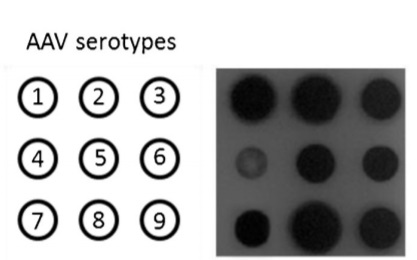
Anti-AAV antibody ELISA kits for the most commonly used AAV serotypes
| Parameter | First-Generation AAV | Second-Generation AAV | Third-Generation AAV |
| Core Principle | Retains ITR sequences, removes Rep/Cap genes, relies on helper systems for production | Chimeric capsids, self-complementary double-stranded, promoter optimization | Large fragment packaging technology, AI-assisted capsid design, immune evasion modifications, CRISPR integration |
| Packaging Capacity | ≤4.5 kb | ≤4.5 kb | ≤6 kb |
| Targeting Mechanism | Natural serotype tropism (e.g., AAV2 for retina, AAV8 for liver) | Chimeric capsids (e.g., AAV2/5 enhances neuronal targeting) | Tissue-specific modifications (e.g., AAV-LungM3 for lung targeting) |
| Transduction Efficiency | Low | Medium | High |
| Immunogenicity | Low | Medium | Low |
| Major Defects | Limited capacity, dependent on helper viruses, single organ targeting | scAAV halves capacity, chimeric capsid immune risks | Complex production process (large fragments prone to breakage), off-target risks in gene editing |
AAV vectors are evolving from "tool-type vectors" to "intelligent therapeutic platforms," providing safer and more efficient solutions for genetic diseases, cancer, and neurodegenerative diseases.

 Leber Congenital
 Spinal Muscular


 Hemophilia
 Phenylketonuria
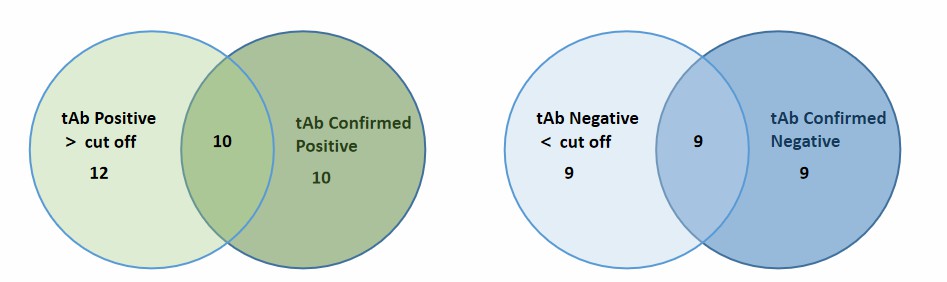
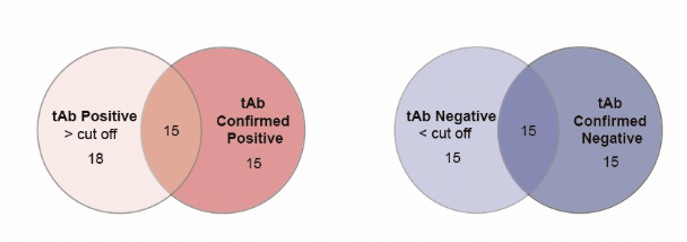
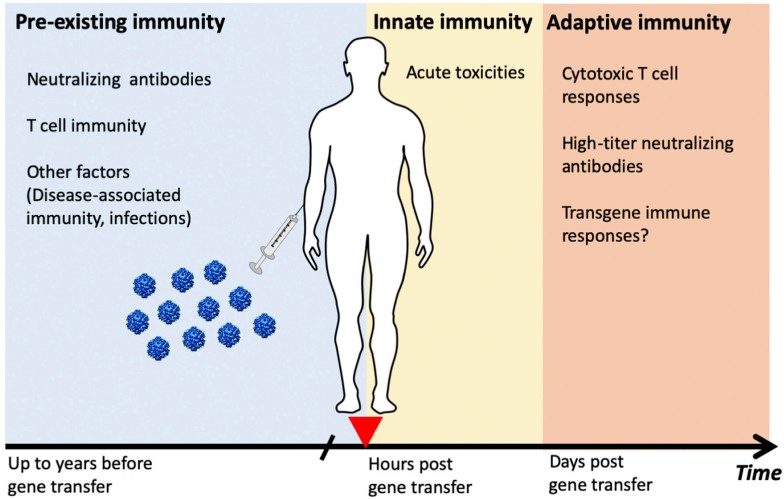
Antibodies against AAV are known as AAV antibodies because they are specifically generated to target these viruses. For example, The DMAB2922 mouse monoclonal antibody works well for WB, IP, and IHC applications and targets AAV capsid proteins. The antibodies serve to measure VP1/VP2/VP3 expression during AAV production while also identifying capsid proteins throughout AAV production and purification processes. AAV antibodies include neutralizing and non-neutralizing antibodies. Neutralizing antibodies block AAV particles from entering cells which reduces the success rate of gene therapy.
Gene therapy uses AAV vectors due to their ability to deliver genetic material into cells without causing harm. The presence of high AAV antibody levels can decrease gene therapy effectiveness because these antibodies neutralize the viral vector which blocks the vector from cell entry. Detecting AAV antibody levels in patients prior to initiating gene therapy helps determine the need for alternative treatment approaches.
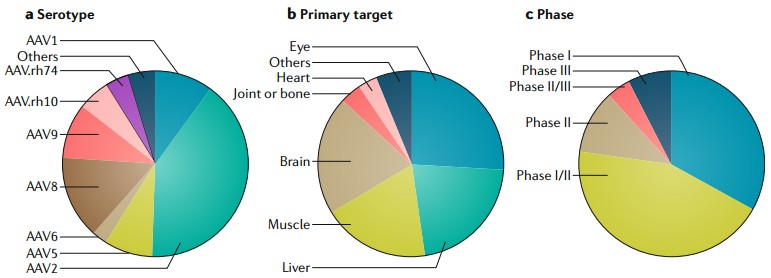
The choice of AAV serotype should depend on the target tissue. AAV9 demonstrates effectiveness in targeting the heart and central nervous system whereas AAV8 effectively targets liver tissue. Correct serotype selection leads to better infection efficiency and enhanced treatment outcomes.
The detection of neutralizing antibodies against AAV uses existing techniques such as:
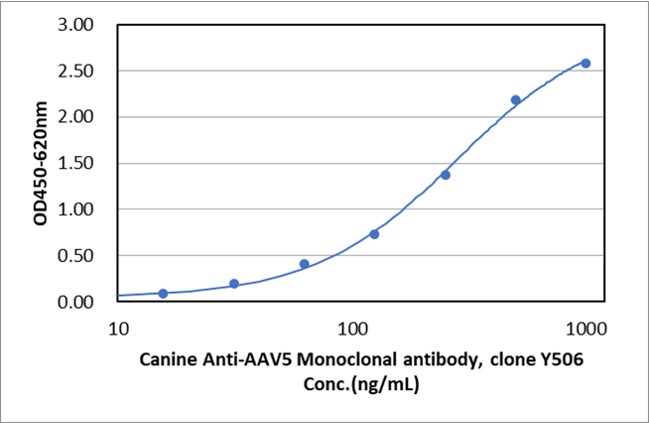
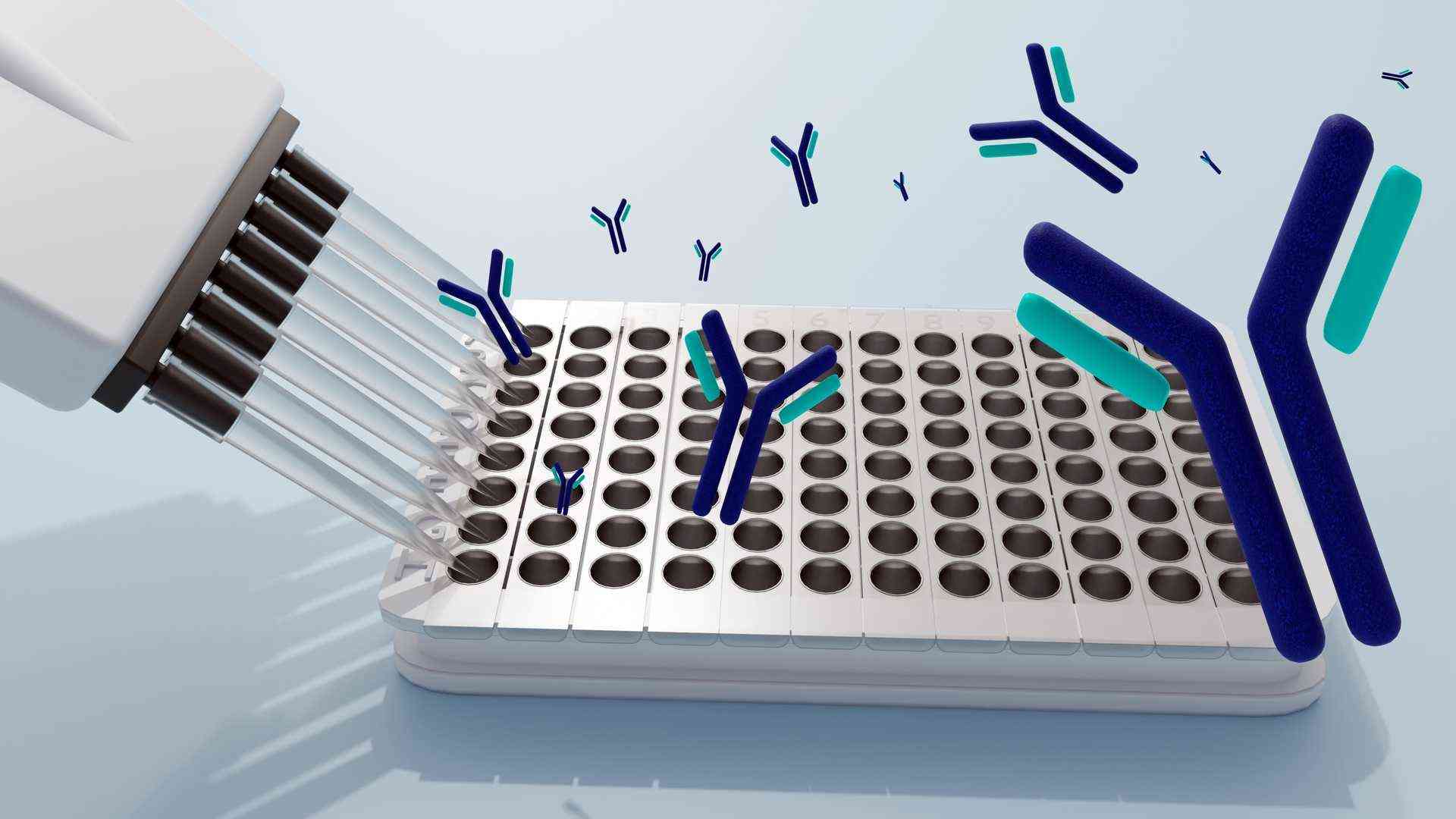
(1) ELISA: The enzyme-linked immunosorbent assay stands as a standard technique for detection. The assay combines patient serum antibodies with AAV proteins and subsequently uses enzyme-labeled secondary antibodies for fast and precise antibody level detection.
(2) Neutralization Assay: The Neutralization Assay evaluates neutralizing antibodies by mixing patient serum with AAV vectors then observing how the serum impacts AAV infection capability.
(3) Flow Cytometry: This experimental approach enables detection of AAV particle-cell binding events in patient serum to determine neutralizing antibody presence.
(4) Cell Infection Neutralization Assay: A common method to evaluate the efficacy of AAV neutralizing antibodies. It involves pre-treating AAV with different concentrations of neutralizing antibodies before infecting target cells, assessing the impact on transduction efficiency and gene expression.
(5) Cell Binding Neutralization Assay: This method evaluates the effect of neutralizing antibodies on AAV binding to cells. AAV is pre-mixed with neutralizing antibodies and added to cell cultures, measuring the ability of AAV to bind to cells to assess the effect of neutralizing antibodies.
Creative Diagnostics is a "One stop" antibody solutions provider serving the pharmaceutical, biotech, diagnostic and university research organizations around the world.
Tell us how we can support your project
Loading ......
